What Are the Signs of a Dying Furnace?
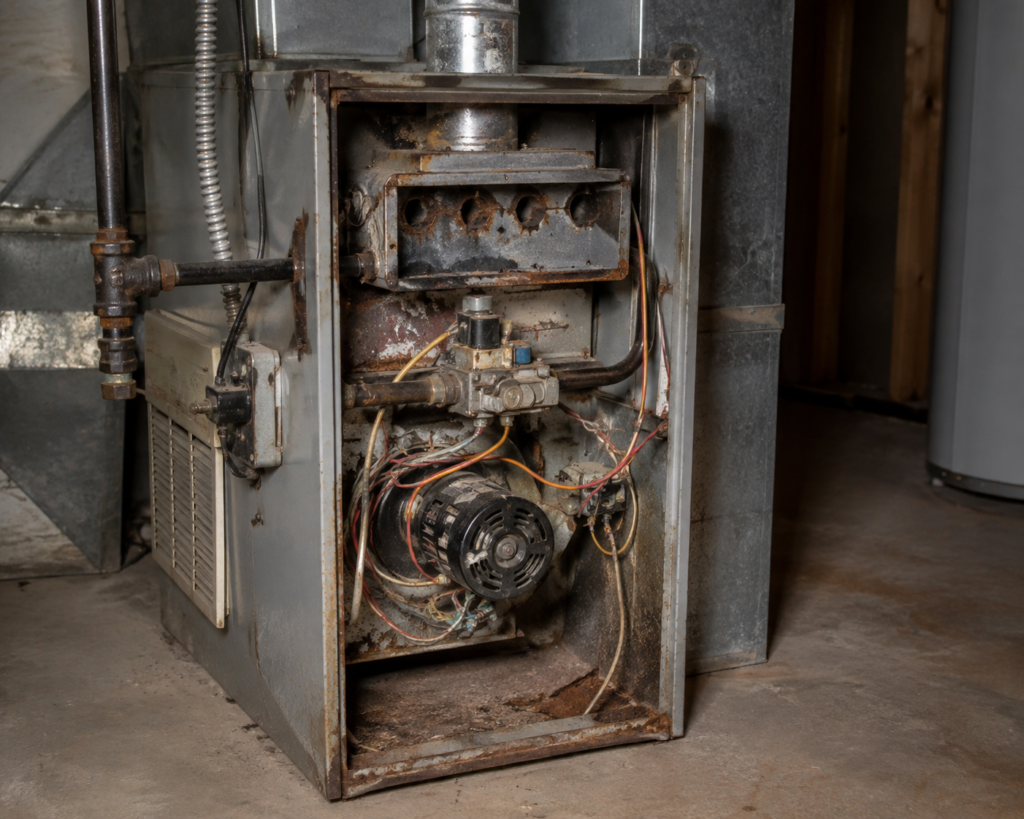
Common signs of a failing furnace include frequent repairs, unusual noises, inconsistent temperatures, rising energy bills, and a burner flame that changes color. If your furnace is older and showing multiple warning signs, it may be nearing the end of its lifespan. Homeowners in the Twin Cities area should have these issues evaluated promptly.
How Can You Tell If Your Furnace Is Failing?
A furnace rarely stops working without warning. In many cases, homeowners notice small issues that gradually become more frequent or severe. Recognizing these warning signs early can help prevent unexpected heating problems during colder months.
Some of the most common indicators of a failing furnace include:
- Frequent repair visits
- Unusual banging, rattling, or squealing noises
- Uneven heating throughout the home
- Higher-than-normal utility bills
- A burner flame that changes from its normal appearance
- Difficulty maintaining a comfortable temperature
While one issue alone may not mean your furnace is nearing the end of its life, several of these symptoms occurring together often suggest a larger problem.
Why Do Older Furnaces Show More Warning Signs?
Age plays an important role in furnace performance. As heating systems get older, components naturally experience wear and tear. This can lead to reduced efficiency, more frequent breakdowns, and inconsistent operation.
An older furnace may struggle to distribute heat evenly, causing some rooms to feel comfortable while others remain cold. It may also need repairs more often as parts wear out or become less reliable.
If your furnace is showing multiple warning signs and has been in service for many years, it may be approaching the end of its useful lifespan. A professional inspection can help determine whether repairs are still practical or if replacement should be considered.
What Do Strange Furnace Noises Mean?
Unusual sounds are often one of the most noticeable signs of furnace trouble. While every heating system makes some operational noise, new or increasingly loud sounds should not be ignored.
Banging or Popping
These sounds can occur when components expand and contract or when the system is struggling to operate properly.
Rattling
Loose panels, internal components, or other mechanical issues can sometimes create rattling noises.
Squealing or Screeching
High-pitched noises may indicate issues with moving parts that require professional attention.
When unusual sounds persist, they often signal that the furnace needs inspection before the problem worsens.
Why Are Energy Bills Increasing?
A furnace that is losing efficiency typically works harder to produce the same amount of heat. As a result, energy consumption may increase, causing utility bills to rise.
If your heating habits have remained relatively consistent but your monthly costs continue climbing, your furnace may not be operating as efficiently as it once did.
Higher energy bills combined with poor temperature control, frequent repairs, or unusual noises can be a strong indication that the system is struggling.
What Should Homeowners in the Twin Cities Area of Minnesota Watch For?
Winters in the Twin Cities area place significant demands on home heating systems. Because furnaces often run for extended periods during cold weather, small performance issues can become more noticeable.
Homeowners in the Twin Cities area should pay attention to:
- Rooms that never seem warm enough
- Sudden increases in energy costs
- Frequent service appointments
- Unusual furnace noises
- Changes in burner flame appearance
Addressing these concerns early can help prevent larger heating disruptions during periods when dependable indoor comfort is especially important.
Myth: A Furnace Will Stop Working Without Warning
Many homeowners assume a furnace will operate normally until it suddenly fails. In reality, most furnaces provide warning signs before a major breakdown occurs.
Frequent repairs, unusual noises, inconsistent temperatures, rising utility bills, and other performance issues often appear well before complete failure. Paying attention to these warning signs can help homeowners identify problems sooner and make informed decisions about their heating system.
FAQ
Can a furnace still work even if it is nearing the end of its lifespan?
Yes. Many aging furnaces continue operating while showing warning signs such as frequent repairs, reduced efficiency, or inconsistent heating.
Should I be concerned about unusual furnace noises?
Yes. New or persistent noises often indicate underlying issues that should be professionally evaluated to determine their cause.
Why does my furnace seem to run longer than it used to?
A furnace that is losing efficiency may need to work harder and run longer to maintain the desired indoor temperature.
Do higher heating bills always mean I need a new furnace?
Not necessarily. Rising energy costs can have multiple causes, but they may indicate a furnace that is becoming less efficient or developing mechanical issues.
FAQ: https://callvector.com/frequently-asked-questions/#what-are-the-signs-of-a-dying-furnace
Conclusion
Common signs of a dying furnace include frequent repairs, unusual noises, inconsistent temperatures, rising energy bills, and changes in burner flame appearance. When several of these issues occur together, especially in an older system, it may indicate that the furnace is nearing the end of its lifespan.