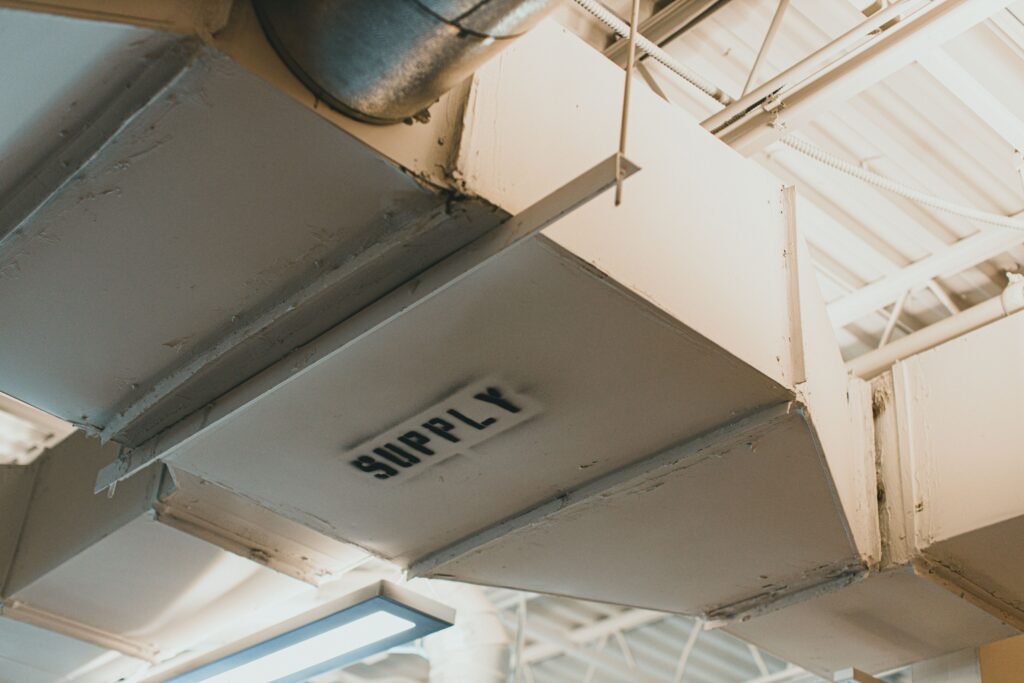
Yes, replacing 20-year-old ductwork is often a wise investment. As ductwork ages, it can deteriorate, develop leaks, and reduce HVAC efficiency. In the Twin Cities area of Minnesota, older duct systems may force your heating and cooling equipment to work harder, which can affect overall performance, energy use, and indoor comfort throughout your home.
How Long Does Ductwork Typically Last?
Ductwork is designed to last for many years, but it does not last forever. In many homes, duct systems can remain functional for 20 to 25 years under normal conditions. However, wear and tear often begins to appear much sooner.
As ductwork ages, several issues can develop, including:
- Loose or disconnected joints
- Air leaks around seams and connections
- Deteriorating insulation
- Rust or corrosion in metal ducts
- Dust and debris buildup
Even small problems can have a noticeable impact on your HVAC system. When conditioned air escapes through leaks, your heating and cooling equipment must work harder to maintain comfortable indoor temperatures. Over time, this can reduce overall system efficiency and performance.
If your ductwork is approaching or has exceeded the 20-year mark, it may be worthwhile to have it evaluated by an HVAC professional.
What Problems Can Older Ductwork Cause?
Aging ductwork can create several challenges that affect both comfort and HVAC performance.
One of the most common issues is air leakage. When ducts develop gaps or cracks, heated or cooled air may escape before it reaches the intended rooms. This can lead to uneven temperatures throughout the home.
Other signs of aging ductwork may include:
- Certain rooms feeling hotter or colder than others
- Increased dust accumulation
- Reduced airflow from vents
- Higher energy consumption
- More frequent HVAC system cycling
Because ductwork acts as the delivery system for your heating and cooling equipment, any deterioration can affect how efficiently the entire system operates.
In many cases, homeowners focus on replacing furnaces or air conditioners while overlooking the duct system. However, old or damaged ductwork can limit the performance of even newer HVAC equipment.
Why Replacing Old Ductwork Can Improve HVAC Efficiency
Replacing older ductwork can help restore proper airflow and improve overall HVAC efficiency. New duct systems are designed to deliver conditioned air more effectively throughout the home.
When ductwork is properly sealed and installed, benefits may include:
- More consistent indoor temperatures
- Better airflow to all rooms
- Reduced strain on HVAC equipment
- Improved indoor comfort
- More efficient heating and cooling performance
This does not necessarily mean every older duct system requires immediate replacement. However, if a duct system is around 20 years old and showing signs of deterioration, replacement is often a practical long-term solution.
By addressing aging ductwork, homeowners can help ensure their HVAC system operates as intended rather than compensating for hidden airflow losses.
What Should Homeowners in the Twin Cities Area of Minnesota Consider?
For homeowners in the Twin Cities area of Minnesota, ductwork plays an important role throughout the year. The region’s changing weather places significant demands on both heating and cooling systems, making efficient air distribution especially important.
During cold winters, heated air must travel through the duct system to maintain comfortable indoor temperatures. During warmer months, air conditioning systems rely on the same ductwork to deliver cool air efficiently.
If older ducts are leaking or deteriorating, your HVAC equipment may have to work harder during periods of extreme weather. This can make it more difficult to maintain consistent comfort throughout the home.
Because homes throughout the Twin Cities area of Minnesota experience a wide range of seasonal temperatures, maintaining a healthy duct system can help support year-round HVAC performance.
Myth: If Air Is Coming Out of the Vents, the Ductwork Is Fine
A common misconception is that ductwork only needs attention if airflow completely stops.
In reality, many duct problems remain hidden for years. Air may still come through the vents even when significant leakage, deterioration, or airflow restrictions exist elsewhere in the system.
A home can experience reduced HVAC efficiency and uneven comfort while still receiving airflow from registers. This is one reason why aging ductwork should not be judged solely by whether air is coming out of the vents.
If your ductwork is around 20 years old, an inspection can help determine whether repairs or replacement would provide better long-term performance.
FAQ
How can I tell if my ductwork needs replacement?
Common signs include uneven temperatures, weak airflow, excessive dust, and rising energy costs. An HVAC inspection can help identify whether replacement is the most appropriate solution.
Can damaged ductwork affect my HVAC system?
Yes. Leaks and deterioration can force your heating and cooling equipment to work harder, which may reduce efficiency and overall system performance.
Is duct replacement better than repeated repairs for older systems?
If ductwork is nearing the end of its lifespan and has multiple issues, replacement is often a more practical long-term option than ongoing repairs.
How often should ductwork be inspected?
Periodic inspections are beneficial, especially when ductwork is more than 15 years old or if you notice airflow or comfort issues throughout the home.
FAQ: https://callvector.com/frequently-asked-questions/#should-i-replace-20-year-old-ductwork
Conclusion
Replacing 20-year-old ductwork is often a smart decision because aging ducts can deteriorate, develop leaks, and reduce HVAC efficiency. Older duct systems may also contribute to uneven temperatures and place additional strain on heating and cooling equipment.