
How to tell if your AC fuse is blown?
One of the most common signs of a blown AC fuse is when your air conditioner will not turn on or suddenly stops cooling. Other warning signs can include warm air from the vents, an outdoor unit that is not running, flickering operation, unusual electrical smells, or visible damage to the fuse.
What are the common signs of a blown AC fuse?
An AC fuse is designed to interrupt electrical power when excessive current passes through part of the air conditioning system. This helps protect electrical components from potential damage. When a fuse blows, the interruption in power can prevent the AC system or one of its components from operating normally.
One of the clearest signs is an air conditioner that suddenly will not turn on. However, a blown fuse can produce other symptoms depending on which part of the system has lost power.
Common warning signs include:
- The air conditioner will not turn on
- The system suddenly stops cooling
- Warm air comes from the vents
- The outdoor AC unit does not run
- The system operates inconsistently or flickers
- You notice an unusual electrical or burning smell
These symptoms do not automatically mean that a fuse is blown. Other electrical or mechanical problems can cause similar behavior, which is why proper diagnosis is important before replacing components.
How can you check whether an AC fuse is blown?
A visual inspection may sometimes reveal signs of a failed fuse. With electrical power safely turned off, a damaged fuse may have visible burn marks or a broken internal filament. However, a fuse can fail without showing obvious visual damage.
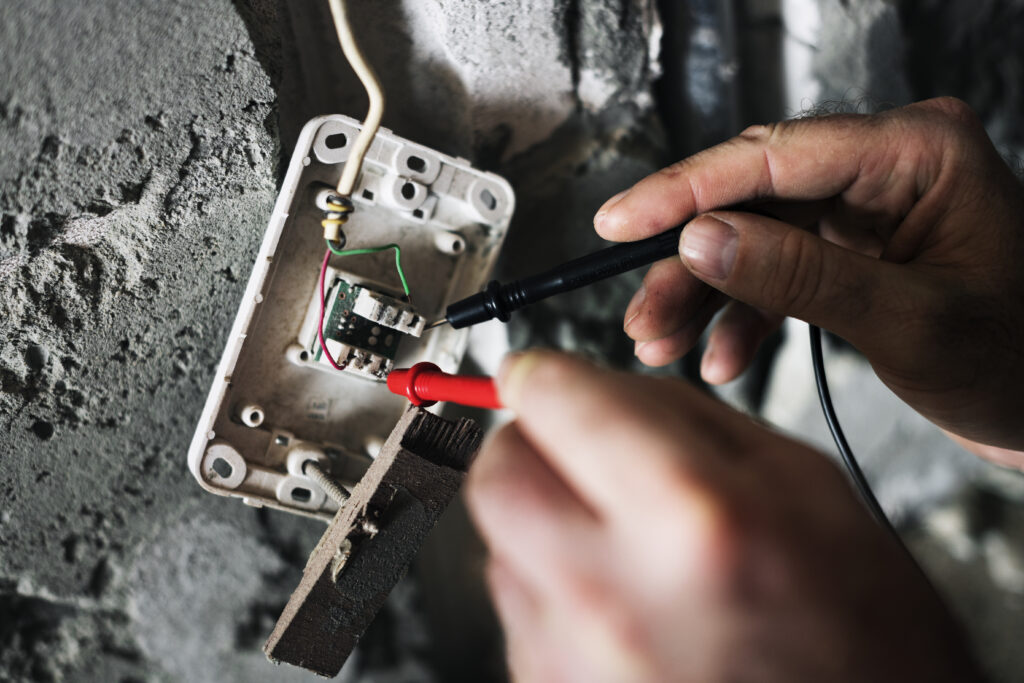
A multimeter can provide a more reliable way to determine whether the fuse still has continuity. If the fuse has lost continuity, it can indicate that the fuse has blown and is no longer allowing electricity to pass through as intended.
Because an air conditioning system contains electrical components that can be dangerous to handle, homeowners should avoid working on equipment they are not trained to inspect. A professional HVAC technician can test the fuse and other electrical components to determine what is preventing the system from operating correctly.
Why does an AC fuse blow?
A blown fuse is a protective response to an electrical problem rather than simply an inconvenience. When too much electrical current passes through a circuit, the fuse can blow and interrupt the flow of electricity.
Possible causes can include:
- Electrical surges
- Short circuits
- Failing electrical components
- Loose electrical connections
- Problems involving the compressor or other AC components
This is why replacing a blown fuse without investigating the cause may not fully address the problem. If the condition that caused the fuse to fail remains, another fuse may blow.
Professional AC diagnostics can help identify whether the fuse itself is the only problem or whether another component needs attention. This approach helps address the reason the system stopped working rather than focusing only on the visible symptom.
Why professional AC diagnostics matter in the Twin Cities area of Minnesota
When an air conditioner suddenly stops operating in the Twin Cities area of Minnesota, determining whether the problem is a blown fuse requires careful electrical inspection. A technician can check the fuse, test electrical continuity, and inspect related AC components to identify the source of the failure.
Homeowners in the Twin Cities area of Minnesota may be tempted to replace a fuse when the AC stops cooling, but similar symptoms can result from different HVAC problems. Professional diagnosis helps distinguish a blown fuse from issues involving electrical connections, capacitors, the compressor, or other components.
Vector Services provides AC repair and HVAC diagnostics for homeowners who are experiencing cooling or electrical problems. Having the system inspected can help determine what caused the interruption and what repair is appropriate.
Myth: Replacing a blown AC fuse always fixes the problem
A common misconception is that installing a new fuse is all that is needed when an AC fuse blows. While replacing the failed fuse may restore power temporarily, the fuse may have blown because another electrical issue is present.
For example, a short circuit, loose connection, or failing component can place abnormal electrical demand on the system. If the underlying problem remains, simply replacing the fuse does not address its cause.
A blown fuse should therefore be treated as a sign that the AC system needs further inspection, particularly if the replacement fuse also fails or the system continues operating incorrectly.
FAQ
How to tell if your AC fuse is blown?
One of the most common signs of a blown AC fuse is when your air conditioner will not turn on or suddenly stops cooling. You may also notice warm air coming from the vents, the outdoor unit not running, flickering operation, or unusual electrical smells. In some cases, the fuse may show visible burn marks or a broken filament when inspected with the power turned off. A multimeter can also confirm whether the fuse has lost continuity. Because electrical components can be dangerous to handle, homeowners in the Twin Cities should contact Vector Services for professional AC diagnostics and repair if they suspect a blown fuse.
Can a blown AC fuse stop the outdoor unit from running?
Yes. A blown fuse can interrupt electrical power and prevent the outdoor AC unit from operating. However, other electrical or mechanical problems can cause the same symptom.
Can you tell if an AC fuse is blown by looking at it?
Sometimes. A blown fuse may have visible burn marks or a broken internal filament, but visual inspection alone may not identify every failed fuse.
Can a multimeter confirm a blown AC fuse?
Yes. A multimeter can test the fuse for electrical continuity. A fuse that has lost continuity may be blown and should be evaluated along with the system for underlying electrical problems.
Conclusion
An AC that will not turn on, suddenly stops cooling, produces warm air, or has an outdoor unit that does not run may have a blown fuse. Visible fuse damage or a failed continuity test can provide additional clues, but similar symptoms can also indicate other HVAC or electrical problems.
If you suspect a blown AC fuse, Vector Services can provide professional AC diagnostics and repair in the Twin Cities area of Minnesota. A trained technician can inspect the system, identify the source of the electrical problem, and recommend