Do whole-house generators add value to a home?
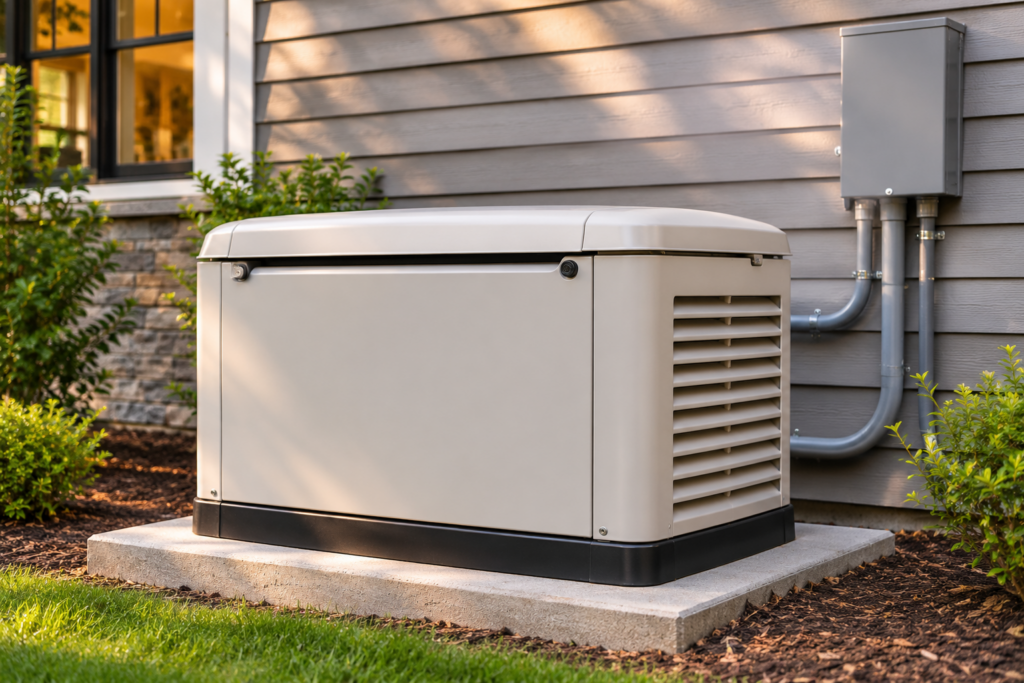
Sometimes. A whole-house generator can add buyer appeal and some resale value, but homeowners should not assume the installation cost will be fully recovered. The stronger reasons are practical backup needs during outages. In the Twin Cities area, that can include keeping heat, refrigeration, sump pumps, or necessary medical equipment operating when utility power is unavailable.
How a whole-house generator can affect resale value
A standby generator can make a home more appealing to buyers who value automatic backup power, particularly where outages are a concern. That appeal can contribute to resale value, but the amount is not guaranteed and depends on the property, local market, generator condition, installation, and what individual buyers value.
For that reason, a generator is better viewed first as a home-resilience improvement rather than as a project chosen solely for return on investment. A homeowner may receive some resale benefit without recovering the entire installation cost. The practical value during the years the system is owned can be more important than the eventual resale calculation.
What practical value does backup power provide?
The main benefit of a whole-house generator is what it can keep operating during an outage. Depending on how the system is sized and configured, priorities may include heating equipment, refrigeration, sump pumps, lighting, or electrically powered medical equipment. Those needs are specific to the household, which is why generator decisions should begin with what must remain powered.
Outage frequency and duration also matter. A home that rarely loses power has a different use case from a property where outages are more disruptive. Homeowners should weigh the consequences of losing power, including potential food loss, water-management concerns, comfort, and cold-weather risks.
Generator value in the Twin Cities area
In the Twin Cities area, winter outages can make heating and frozen-pipe concerns especially relevant. A generator may therefore have practical value that is not captured by a simple resale estimate. If the home relies on electrical power for heating equipment controls, pumps, or other essential systems, maintaining selected loads can help the household manage an outage.
That does not mean every home needs whole-house backup. The decision should reflect how often outages occur, which loads matter most, and what level of backup the homeowner wants. The system also brings ongoing responsibilities, including maintenance and fuel.
Myth: A generator always pays for itself when you sell
A whole-house generator can be a selling point, but it should not be treated as a guaranteed dollar-for-dollar return. Buyers differ in how much they value backup power, and resale impact can vary with the local market and the generator itself.
A more useful way to judge the project is to combine possible resale appeal with the years of practical service it may provide. If backup power protects the systems your household considers essential during outages, that day-to-day resilience can be the primary reason for the investment even if the full installation cost is not recovered at sale.
FAQ
Do whole-house generators add value to a home?
Sometimes. A whole-house generator can add buyer appeal and some resale value, but homeowners should not assume the installation cost will be fully recovered. The stronger reasons are practical backup needs during outages. In the Twin Cities area, that can include keeping heat, refrigeration, sump pumps, or necessary medical equipment operating when utility power is unavailable.
Will every buyer pay more for a home with a generator?
No. Some buyers may value standby power more than others, so the resale benefit depends on the market, property, system condition, and buyer priorities.
What systems can a generator help keep running?
Depending on system sizing and configuration, priorities can include heat, refrigeration, sump pumps, lighting, and necessary medical equipment during an outage.
Does a standby generator require maintenance?
Yes. Ongoing maintenance is part of generator ownership and should be included when considering the long-term cost and usefulness of the system.
What should I consider before installing a generator?
Consider outage frequency, the loads you want to protect, cold-weather risks, fuel and maintenance needs, and whether practical backup value justifies the investment for your household.
Conclusion
A whole-house generator may add some resale appeal, but its strongest value is often the backup power it provides while you own the home. The right decision depends on outage risk, essential loads, and ongoing ownership needs.