
Can HVAC cause ice dams?
Yes, your HVAC system can contribute to ice dams if heat escapes from ductwork or openings around heating equipment into the attic. That heat can warm the roof enough to melt snow, which then refreezes along the colder eaves. Air sealing and insulation are the main ways to prevent that heat loss.
In Twin Cities, Minnesota, winter snow can sit on rooftops while heat escaping from the house warms certain areas underneath. If your heating ducts run through the attic, they may be contributing to the problem even when your furnace seems to be working normally.
How Does Heat From Your HVAC System Cause Ice Dams?
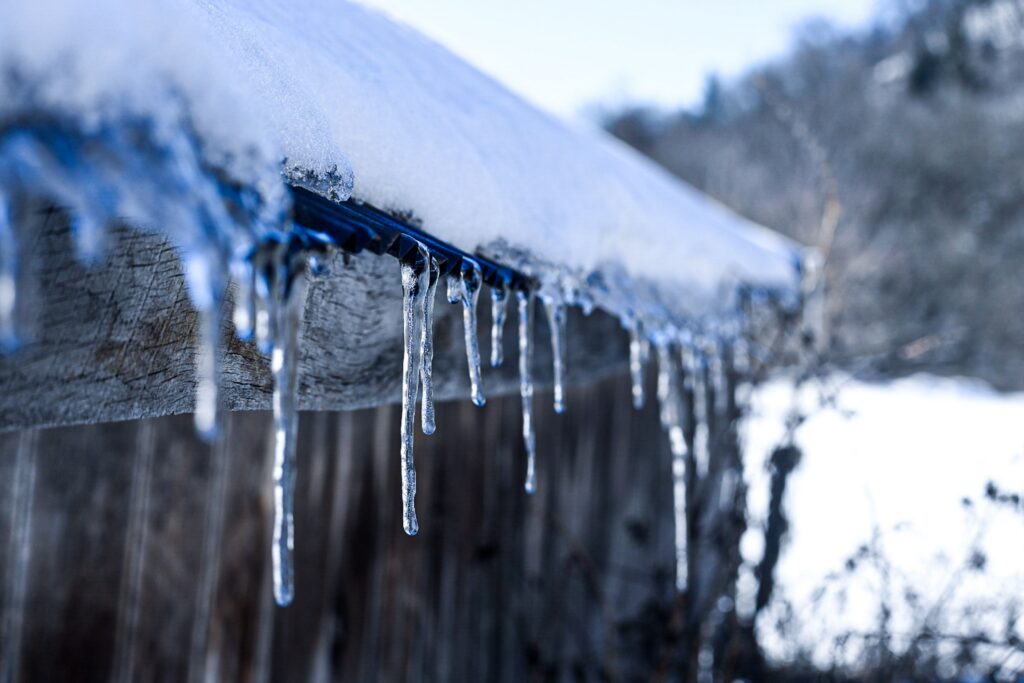
Ice dams form when snow melts on a warmer section of your roof and the water runs toward the colder edges.
The roof above your heated living space can become warmer than the eaves, which extend beyond the home’s exterior walls. As melted snow reaches those colder areas, the water freezes.
More water can collect behind the growing ridge of ice, and repeated freezing adds to the buildup.
Your HVAC system can contribute when heat escapes into the attic and warms the underside of the roof. The system doesn’t have to stop working or show an obvious problem inside your home for that heat loss to happen.
Can Poorly Insulated Attic Ductwork Cause Ice Dams?
Yes. Heating ducts running through an attic can lose heat through their walls when they aren’t adequately insulated.
Your furnace heats the air that travels through the ducts before reaching your rooms. As that air moves through an unheated attic, heat can pass through the duct material into the surrounding space.
Insulation around the ducts helps slow that transfer. If the insulation is missing, damaged, or incomplete, more heat can escape.
A duct running close to the roof decking can warm the surrounding attic space, creating conditions that encourage snow to melt above it.
That means your home can still feel comfortable while some of the heat you’re paying to produce ends up in the attic instead of your living space.
How Do Leaky Air Ducts Contribute to Ice Dams?
Leaky ductwork allows heated air to escape directly into the attic.
Duct systems contain joints where straight sections, elbows, and other fittings connect. Those connections need to stay sealed so heated air travels through the system toward your registers.
When a joint separates or loses its seal, warm air can leak through the opening.
Even a duct that has insulation around it can release heated air through an unsealed connection. Insulation helps control heat transfer, but it doesn’t close gaps where air is escaping.
A technician can examine the ductwork for loose joints, damaged sections, and places where heated air may be leaking into the attic.
Vector Services offers air duct and vent repair and can check whether attic ductwork is contributing to unwanted heat loss.
Can Furnace Flues and Ceiling Openings Contribute to Ice Dams?
Yes. Openings around furnace flues and other ceiling penetrations can allow warm indoor air to reach the attic.
A furnace flue carries combustion gases from the heating equipment toward the outside. Where that flue passes through the ceiling or attic, the surrounding opening can become a path for air leakage if it isn’t properly sealed.
Warm air can also escape through gaps around ceiling fixtures, plumbing penetrations, and other openings between your living space and attic.
These leaks can move heat upward even when your ducts are properly insulated and sealed.
The location of the air leak can help explain why one section of the roof melts snow faster than another.
What Actually Helps Prevent HVAC-Related Ice Dams?
Air sealing and insulation are the main ways to reduce the heat loss that contributes to ice dams.
Air sealing closes unwanted gaps that let heated indoor air move into the attic. Insulation slows heat moving through the ceiling and other surfaces.
Both help keep the roof from warming unevenly beneath the snow.
If attic ductwork is leaking, repairing damaged connections can reduce the amount of heated air escaping directly into that space.
If duct insulation is inadequate, improving it can reduce heat passing through the duct walls.
However, duct repairs alone may not address ceiling leaks or inadequate attic insulation. The goal is to reduce the unwanted heat reaching the roof, wherever it’s coming from.
Supporting FAQs
Can HVAC cause ice dams?
Yes, your HVAC system can contribute to ice dams if heat escapes from attic ductwork or openings around heating equipment. That heat can warm the roof enough to melt snow, which then refreezes along the colder eaves. Leaky ducts and poorly sealed openings can make ice dams more likely, but air sealing and insulation are the main ways to address the problem. Vector Services can check attic ductwork and provide air duct and vent repair in Twin Cities, Minnesota.
Can ice dams form even if my furnace is working properly?
Yes. Your furnace can heat your home normally while heat escapes through poorly insulated attic ducts or unsealed duct connections. That heat loss can contribute to ice dams without causing an obvious heating problem indoors.
Can a chimney contribute to ice dams?
Yes. Chimneys can introduce heat into the attic or surrounding roof area, and gaps around chimney penetrations can allow warm indoor air to escape. That additional heat can contribute to snow melting unevenly.
Does attic ventilation help prevent ice dams?
Attic ventilation can help remove unwanted heat, but it doesn’t replace air sealing and insulation. Reducing heat escaping from the house into the attic remains the primary approach.
Who should check my ductwork if I suspect it’s contributing to ice dams?
An HVAC contractor can examine attic ducts for damaged sections, loose connections, and heat loss. Vector Services provides air duct and vent repair and can help identify ductwork problems that may be contributing to unwanted attic heat.
Conclusion
Your HVAC system can contribute to ice dams when heat escapes into the attic and warms the roof beneath the snow. Reducing that heat loss through duct repairs, air sealing, and adequate insulation can help keep roof temperatures more consistent and limit the conditions that cause ice dams.
Schedule an Air Duct Assessment With Vector Services
If ice dams keep forming and you suspect your heating ducts are releasing heat into the attic, Vector Services can check for ductwork problems in Twin Cities, Minnesota. Their air duct and vent repair services can address leaking or damaged sections that contribute to unwanted heat loss.
Contact Vector Services to schedule an air duct and vent assessment.