
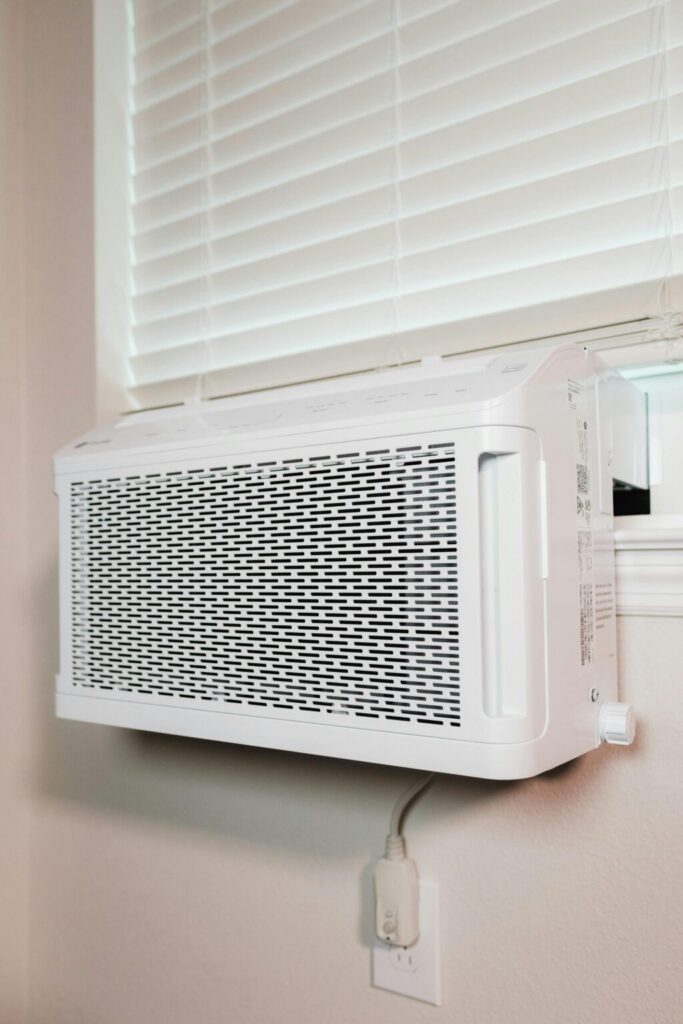
What is the 3 minute rule for air conditioners?
The 3 minute rule means waiting at least three minutes after turning an air conditioner off before restarting it. This brief delay gives refrigerant pressures time to stabilize and reduces unnecessary strain on the compressor during startup. Many modern AC systems include built-in restart delays, but avoiding rapid manual restarts remains a useful operating practice.
Why does the 3 minute rule matter for an air conditioner?
An air conditioner’s compressor circulates refrigerant through the cooling system. While the AC is operating, refrigerant pressures vary between different parts of the system. Those pressures do not necessarily stabilize the instant the equipment shuts off.
Trying to restart the compressor immediately can make startup more difficult because the system may still have an unfavorable pressure difference. Allowing several minutes between shutdown and restart gives the system time to stabilize.
Many newer air conditioners and thermostats include protective delays that prevent the compressor from restarting immediately. As a result, homeowners may sometimes select cooling at the thermostat and notice that the outdoor equipment does not start right away.
A brief built-in delay can be normal and does not automatically indicate an AC problem.
When should you follow the 3 minute AC rule?
The rule is particularly useful whenever an air conditioner has just been intentionally or unexpectedly shut down.
For example, avoid repeatedly switching the thermostat from cooling to off and immediately back to cooling. If you turn the system off while checking an air filter or performing another basic homeowner task, allow a few minutes before restarting it.
The same principle can be useful following a brief power interruption. Some equipment will automatically delay compressor operation after power returns.
If the thermostat indicates that cooling should be running but the outdoor unit remains off for an extended period, repeatedly changing thermostat settings is unlikely to solve the underlying issue. The system may instead need troubleshooting or professional AC repair.
Is the 3 minute rule the same as short cycling?
The 3 minute rule and short cycling are related concepts, but they are not the same thing.
The 3 minute rule concerns intentionally allowing a short delay before restarting an air conditioner. Short cycling describes an AC system that repeatedly starts and stops more frequently than it should during normal operation.
Possible signs of short cycling include:
- Frequent starts and stops
- Short cooling periods
- Inconsistent indoor temperatures
- Repeated thermostat calls for cooling
- Unusual clicking associated with frequent cycling
Short cycling can have several possible causes, including airflow restrictions, thermostat problems, equipment sizing issues, or certain mechanical and electrical faults. Because the causes vary, repeatedly applying the 3 minute rule does not correct an AC system that is already short cycling on its own.
Professional diagnosis can identify why the cycling is occurring.
What should homeowners in the Twin Cities area of Minnesota know?
For homeowners in the Twin Cities area of Minnesota, reliable air conditioning becomes particularly important during periods of warm summer weather. Avoiding unnecessary rapid restarts is one simple way to operate cooling equipment more appropriately.
Homeowners should also remember that a delayed restart does not always mean something is wrong. Many thermostats and AC systems intentionally prevent immediate compressor operation after a shutdown.
If an air conditioner in the Twin Cities area of Minnesota does not restart after the normal delay, or if it repeatedly turns itself on and off, additional troubleshooting may be appropriate.
Vector Services can evaluate AC controls, electrical components, airflow, refrigerant-related concerns, and other system conditions when an air conditioner is not starting or operating normally.
Myth: An AC should restart immediately when the thermostat is changed
A common misconception is that an air conditioner should begin cooling the instant the thermostat is switched back to cooling.
In many systems, an intentional delay protects the compressor from restarting too quickly. The thermostat may show that cooling has been requested while the outdoor unit waits several minutes before starting.
Repeatedly adjusting the thermostat during this delay can create confusion without making the equipment start sooner.
If the AC remains off well beyond a normal restart delay, however, homeowners should not assume that waiting indefinitely will fix the problem. A tripped breaker, thermostat issue, electrical component failure, or another AC problem may require attention.
FAQ
What is the 3 minute rule for air conditioners?
The “3-minute rule” for air conditioners means waiting at least three minutes after turning your system off before restarting it. This short pause allows the refrigerant pressure to equalize, preventing damage to the compressor — one of the most expensive parts of your AC. Following this rule also reduces short cycling, improves energy efficiency, and extends your unit’s lifespan. Homeowners in Brooklyn Park, MN can count on Vector Services to ensure their AC systems are running safely and efficiently all summer long.
Why does my air conditioner wait before restarting?
Many air conditioners or thermostats include a built-in compressor protection delay. The system may intentionally wait several minutes after shutting down before allowing another cooling cycle to begin.
Does the 3 minute rule fix AC short cycling?
No. The rule helps avoid rapid manual restarts, but recurring short cycling can indicate an airflow, thermostat, sizing, electrical, refrigerant-related, or other system problem requiring diagnosis.
What if my AC does not restart after three minutes?
Give any built-in protection delay time to finish. If the system still does not operate normally, avoid repeatedly restarting it and consider having the AC professionally inspected.
Conclusion
The 3 minute rule is a simple guideline for avoiding immediate AC restarts after the system has been turned off. Waiting gives refrigerant pressures time to stabilize and can reduce unnecessary compressor startup strain. Many modern systems handle this delay automatically, but homeowners should still avoid repeatedly switching their air conditioner off and on.
For homeowners in the Twin Cities area of Minnesota, Vector Services can diagnose AC systems that fail to restart, short cycle, or otherwise operate incorrectly. A professional evaluation can identify problems involving controls, electrical components, airflow, or other cooling-system conditions and determine the appropriate AC repair.