
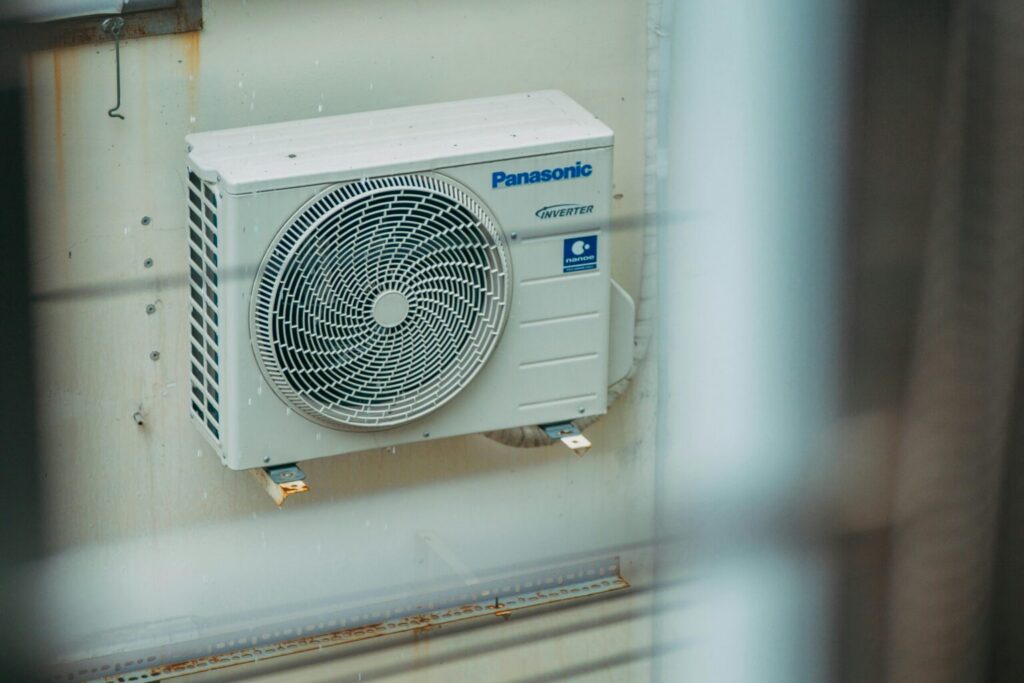
Can I recharge my home AC myself?
No, homeowners should not attempt to recharge a home AC system themselves. Refrigerant service requires specialized equipment, training, and proper handling procedures. If your air conditioner is low on refrigerant, it may indicate a leak that should be identified and repaired before the system is recharged by a qualified HVAC professional.
Why should you avoid recharging your home AC yourself?
A home air conditioning system uses refrigerant inside a sealed, pressurized circuit. Servicing that circuit requires specialized gauges, tools, and knowledge of how the system should operate. Adding refrigerant without determining the correct charge can affect cooling performance and potentially damage important components.
Refrigerant must also be handled carefully. Direct contact can cause injury, and opening pressurized refrigerant lines without the proper equipment can create additional hazards.
Another concern is overcharging. Adding more refrigerant than the system requires can interfere with normal operation and place unnecessary stress on the compressor and other components. Simply adding refrigerant based on symptoms such as warm air does not confirm that low refrigerant is actually the problem.
For these reasons, professional diagnosis should come before any refrigerant is added.
Why would a home AC system need refrigerant?
Air conditioning systems are designed to circulate refrigerant through a closed system rather than consume it during normal operation. If refrigerant levels become low, there may be a leak somewhere in the system.
Potential sources of refrigerant loss can include:
- Refrigerant line damage or corrosion
- Loose or weakened connections
- A leaking evaporator coil
- Problems related to previous HVAC work
Adding refrigerant without addressing the source of the loss may only provide a temporary result because the refrigerant can escape again.
A professional HVAC technician can inspect the system, look for signs of leakage, and determine whether a repair is necessary before restoring the appropriate refrigerant charge.
What are the signs your AC may have a refrigerant problem?
Several cooling problems can be associated with low refrigerant, although these symptoms can also result from other HVAC issues.
Possible warning signs include:
- Warm or room-temperature air coming from the vents
- Ice forming on refrigerant lines or the indoor coil
- An air conditioner that runs for long periods without cooling properly
- Hissing or bubbling sounds near refrigerant components
- Reduced cooling performance
These symptoms do not automatically confirm that your AC needs refrigerant. A dirty air filter, airflow restriction, electrical problem, or malfunctioning component can produce similar results.
Before assuming refrigerant is the cause, homeowners can check the thermostat settings, inspect the air filter, make sure the outdoor unit is not obviously obstructed, and verify that the circuit breaker has not tripped.
If those basic checks do not solve the cooling problem, professional HVAC diagnostics are appropriate.
Why refrigerant service matters in the Twin Cities area of Minnesota
For homeowners in the Twin Cities area of Minnesota, an air conditioner that suddenly stops cooling may become especially noticeable during warmer weather. However, adding refrigerant without identifying the actual problem is not an appropriate troubleshooting shortcut.
Professional technicians can evaluate refrigerant conditions along with airflow, electrical components, coils, and overall system performance. This helps determine whether low refrigerant is actually responsible for the cooling problem.
If a leak is identified, it can be evaluated before the system is recharged. Homeowners in the Twin Cities area of Minnesota can also benefit from having the complete AC system inspected rather than assuming that warm air or poor cooling automatically means refrigerant must be added.
Myth: An AC recharge is a routine DIY maintenance task
A common misconception is that adding refrigerant to an air conditioner is similar to replacing an air filter or completing another basic maintenance task.
Refrigerant service is different because it involves a sealed, pressurized part of the cooling system. The amount of refrigerant must be evaluated carefully, and low levels may indicate a leak that needs attention.
Adding refrigerant without checking the system can also mask the underlying issue instead of correcting it. If your AC is not cooling properly, basic homeowner troubleshooting is reasonable, but refrigerant diagnosis and charging should be handled by a qualified HVAC professional.
FAQ
Can I recharge my home AC myself?
No, you cannot legally recharge your home AC system yourself because refrigerant handling is restricted to certified professionals under EPA regulations. Attempting a DIY recharge can cause serious safety risks, damage your compressor, or worsen leaks that must be repaired before adding refrigerant. If your AC needs a recharge, it is usually a sign of a refrigerant leak that requires professional inspection. Homeowners in the Tri-Cities should call Vector Services for safe, licensed AC repair and refrigerant service.
Does low refrigerant always mean my AC has a leak?
Because an AC system is designed to keep refrigerant circulating within a closed circuit, low refrigerant can indicate that refrigerant has escaped and the system should be inspected.
What happens if too much refrigerant is added to an AC system?
Too much refrigerant can interfere with proper AC operation and place additional stress on system components. Correct refrigerant levels should be determined using appropriate HVAC diagnostic equipment.
What can I check before calling for AC refrigerant service?
Check the thermostat settings, air filter, circuit breaker, and outdoor unit for obvious obstructions. If the AC still does not cool properly, professional diagnostics can identify the cause.
Conclusion
Homeowners should not attempt to recharge a home air conditioner themselves. Refrigerant service involves a pressurized system, specialized tools, and careful diagnosis. If refrigerant is low, identifying why it was lost is an important step before adding more, especially because other HVAC problems can produce similar cooling symptoms.
If your AC is blowing warm air or struggling to cool in the Twin Cities area of Minnesota, Vector Services can provide professional AC repair and refrigerant diagnostics. A technician can inspect the system, determine whether refrigerant or another component is causing the problem, and recommend the appropriate next step.