How do you diagnose AC problems?
Diagnosing AC problems usually starts with basic checks such as confirming the thermostat is set to cool, replacing a dirty air filter, and checking the circuit breaker. If the problem continues, symptoms like weak airflow, warm air, frozen coils, or unusual noises may point to a more serious HVAC issue.
What basic AC troubleshooting can homeowners do first?
When an air conditioner is not working properly, diagnosis often begins with a few simple checks. These steps can help rule out common issues before moving on to more complex HVAC problems.
Start by checking the thermostat. Make sure it is set to cooling mode and that the selected temperature is lower than the current room temperature. If the thermostat uses batteries, confirm that they are still working.
Next, inspect the air filter. A dirty or clogged filter can restrict airflow and make it harder for the system to cool the home properly. Restricted airflow can also contribute to other performance problems.
Homeowners can also check the electrical panel for a tripped circuit breaker. If the AC breaker has tripped, resetting it may restore operation. However, if the breaker trips repeatedly, the system should be turned off and professionally inspected.
These basic steps can help identify simple causes, but they do not replace a complete diagnosis when the problem continues.
What AC symptoms can help identify the problem?
When basic troubleshooting does not solve the issue, the way the system is behaving can provide useful clues.
Common warning signs include:
- Weak airflow from the vents
- Warm air when the AC is running
- Ice or frost on the indoor unit
- Grinding, rattling, buzzing, or other unusual noises
- An outdoor unit that does not operate correctly
- An AC system that will not turn on
Weak airflow may be connected to an airflow restriction, blower problem, or duct issue. Warm air from the vents can indicate a problem with the cooling process, such as dirty coils, refrigerant concerns, or compressor issues.
Frozen evaporator coils can also point to restricted airflow or a refrigerant-related problem. If ice is present, continuing to operate the system may interfere with normal cooling performance.
Unusual sounds may signal mechanical or electrical issues that require closer inspection.
What more serious AC problems require professional diagnosis?
Some air conditioning problems cannot be accurately diagnosed through basic homeowner troubleshooting. Refrigerant, electrical, and mechanical components often require specialized tools and training.
Low refrigerant can affect cooling performance and may be associated with a leak because refrigerant operates within a sealed system. Possible symptoms include warm air, ice buildup, or hissing sounds.
Electrical components such as capacitors, relays, and contactors also affect how the AC starts and operates. When one of these parts fails, the system may not turn on or may operate inconsistently.
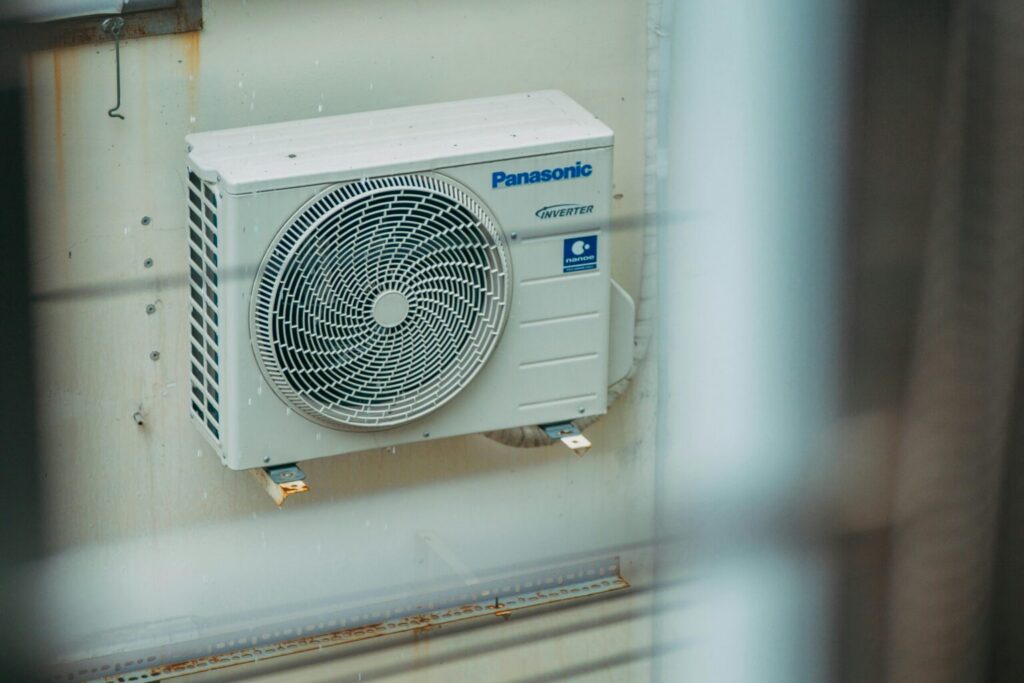
The outdoor condenser can create cooling problems if airflow around the unit is restricted by dirt or debris. Compressor or blower motor problems may also reduce or completely stop cooling.
Professional technicians can evaluate refrigerant pressure, electrical components, airflow, duct conditions, and system operation to determine which issue is actually causing the symptoms.
Why AC diagnosis matters in the Twin Cities area of Minnesota
For homeowners in the Twin Cities area of Minnesota, accurate diagnosis is important when an AC system stops cooling properly. Several different problems can produce similar symptoms, so replacing parts based only on assumptions may not correct the actual issue.
A professional HVAC inspection can evaluate the thermostat, airflow, electrical system, refrigerant circuit, condenser, blower, and compressor performance. This helps separate a simple issue, such as a dirty filter, from a more complex electrical or mechanical problem.
Homeowners in the Twin Cities area of Minnesota can perform basic checks safely, but refrigerant and electrical concerns should be handled by trained HVAC professionals with the appropriate diagnostic equipment.
Myth: Every AC problem requires a major repair
A common misconception is that an air conditioner that stops cooling automatically has a serious mechanical failure. In reality, some problems may be related to simple issues such as incorrect thermostat settings, a clogged filter, or a tripped breaker.
At the same time, similar symptoms can also be caused by more complex problems. For example, weak airflow might result from a dirty filter, but it could also involve the blower motor or ductwork.
The goal of proper AC diagnosis is to identify the actual cause before deciding what repair is needed. Starting with basic checks and then moving to professional testing when necessary can help avoid unnecessary guesswork.
FAQ
How do you diagnose AC problems?
Diagnosing AC problems usually starts with simple checks like making sure the thermostat is set to cool, replacing a dirty air filter, and checking for a tripped circuit breaker. If the issue continues, signs like weak airflow, warm air, frozen coils, or unusual noises may point to more serious problems such as low refrigerant, a faulty blower motor, or a dirty condenser unit. While homeowners can handle basic troubleshooting, refrigerant issues and electrical problems require professional tools and expertise.
What should I check first when my AC is not working?
Start by checking the thermostat settings, air filter, and circuit breaker. These basic checks can rule out several common problems before more detailed HVAC diagnostics are needed.
What does warm air from AC vents mean?
Warm air can indicate several possible issues, including dirty coils, refrigerant problems, or compressor trouble. Because multiple problems can cause this symptom, proper testing is often needed.
Why is there ice on my AC unit?
Ice on the indoor unit can be associated with restricted airflow or refrigerant issues. The system should be evaluated to determine what is interfering with normal cooling operation.
Conclusion
Diagnosing AC problems usually begins with checking the thermostat, air filter, and circuit breaker. If the issue continues, symptoms such as weak airflow, warm air, frozen coils, or unusual noises can help narrow down the possible cause. More complex refrigerant, electrical, blower, condenser, or compressor problems typically require professional testing.
If your air conditioner is not working properly in the Twin Cities area of Minnesota, Vector Services can provide professional AC repair diagnostics. A trained technician can inspect the system, identify the source of the problem, and recommend the appropriate next step based on the condition of your HVAC equipment.