
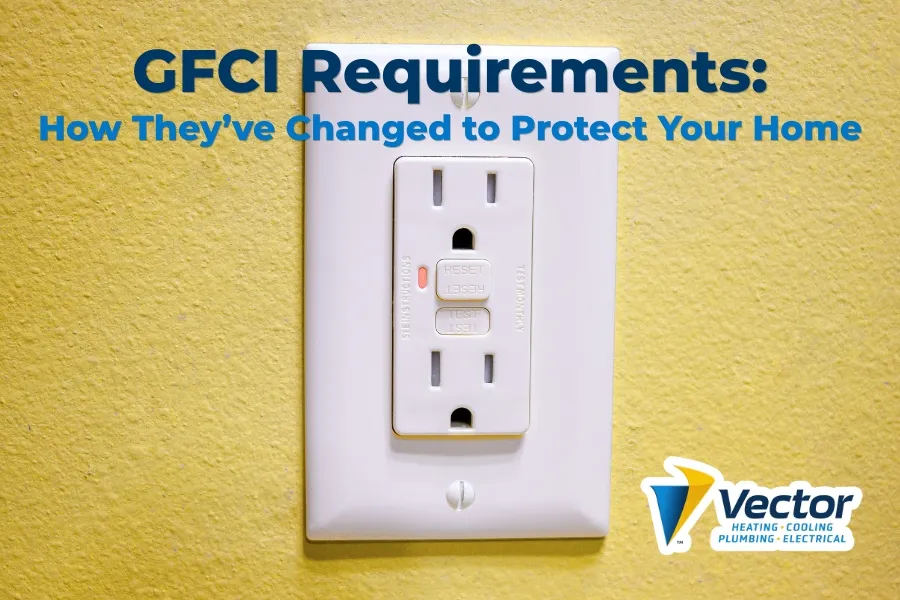
GFCI outlets are a familiar sight in modern kitchens, bathrooms, garages, and other areas of the home. However, these safety devices haven’t always been part of residential electrical systems. GFCI requirements have expanded considerably over the past several decades as electrical codes have evolved to protect people from electrical shock better.
For homeowners, that history matters. An older home in Minneapolis or St. Paul may have been built before many of today’s GFCI outlet requirements existed, while renovations and electrical upgrades can bring newer requirements into play. Understanding why GFCI protection is used, where it’s commonly required, and when older outlets may need attention can help you make more informed decisions about your home’s electrical system.
What Is GFCI Protection?
A ground-fault circuit interrupter, or GFCI, is an electrical safety device designed to protect people from electric shock. Unlike a standard circuit breaker, which primarily protects wiring and equipment from excessive current, a GFCI monitors the flow of electricity and quickly shuts off power when it detects current flowing along an unintended path to ground.
This type of protection is especially important in locations where electricity and moisture may come into contact.
You’ve probably seen GFCI receptacles with “TEST” and “RESET” buttons on the front. However, GFCI protection doesn’t always have to come from the receptacle itself. In some electrical systems, protection may instead be provided by a GFCI circuit breaker or another approved device.
How GFCI Requirements Became Part of the Electrical Code
GFCI protection wasn’t added to homes all at once. Instead, the National Electrical Code (NEC) gradually expanded its use as electrical safety standards developed.
The first GFCI requirement appeared in the 1968 NEC and applied to underwater lighting in swimming pools. Outdoor receptacles began receiving GFCI protection requirements in the 1971 NEC. Bathrooms followed in 1975, and garages were added in 1978.
From there, protection continued to expand into other areas of residential properties.
Bathrooms, Basements, and Other Areas Were Added
During the 1980s and early 1990s, the GFCI electrical code continued to evolve. Requirements were introduced or expanded for locations such as spas, hot tubs, basements, crawl spaces, boathouses, and wet bar areas.
One important change came with the 1993 NEC. It introduced a requirement to provide GFCI protection when replacing a receptacle in a location where the code now calls for that protection.
That’s especially relevant to homeowners with older properties. A receptacle that was acceptable when the home was originally built may need additional protection when it’s replaced.
Kitchen GFCI Protection Continued To Expand
Kitchen requirements also changed significantly.
By the 1987 NEC, certain kitchen receptacles close to sinks required GFCI protection. In the 1996 NEC, the requirement expanded to cover all receptacles serving kitchen countertop surfaces. Later code editions continued expanding GFCI protection in kitchens and other parts of homes.
Where Are GFCI Outlets Required?
So, where are GFCI outlets required in a home?
Modern GFCI requirements generally focus on areas where moisture, grounded surfaces, or similar conditions can increase the risk of electric shock. Depending on the applicable electrical code and the details of the installation, GFCI protection may be required in areas such as:
- Bathrooms
- Kitchens
- Garages
- Outdoor areas
- Basements
- Crawl spaces
- Laundry rooms
- Locations near sinks
- Pools, spas, and similar wet areas
It’s important to distinguish between a GFCI receptacle and GFCI protection. A standard-looking receptacle may be protected by another GFCI device elsewhere on the circuit, including a GFCI breaker at the electrical panel.
Electrical requirements can also change over time and vary depending on which code applies to the project. In Minnesota, the 2026 National Electrical Code took effect on August 17, 2026, for electrical permits filed on or after that date.
If you’re unsure whether the outlets in your home have appropriate protection, a professional home electrical inspection can help identify the type of protection currently in place and any areas that may need attention.
Are GFCI Outlets Required in Kitchens?
Yes, GFCI protection is an important part of modern kitchen electrical safety. But the answer to whether GFCI outlets are required in kitchens has become broader over time.
Early kitchen GFCI outlet requirements focused on receptacles close to the sink. The 1996 NEC expanded protection to all receptacles serving kitchen countertop locations.
The reason is straightforward: kitchens combine electricity with sinks, water, metal appliances, countertops, and numerous plug-in devices. GFCI protection adds another layer of protection when a ground fault occurs.
Homeowners may encounter questions about kitchen GFCI protection when:
- Remodeling or renovating a kitchen
- Replacing an older receptacle
- Adding new countertop outlets
- Installing or replacing certain appliances
- Updating electrical wiring in an older home
If you’re replacing damaged, outdated, or improperly functioning outlets, professional electrical outlet replacement can also provide an opportunity to determine whether GFCI protection should be added or updated.
What Do GFCI Requirements Mean for Older Homes?
Older homes may not have GFCI protection in all the places where it’s required in newer construction because the rules were introduced gradually over time.
That doesn’t necessarily mean the home is automatically out of compliance. However, if you replace an outlet, renovate a room, or make other electrical upgrades, current GFCI requirements may apply to that work.
For example, a kitchen built before modern GFCI rules may still have standard outlets. If those outlets are replaced or the kitchen is remodeled, GFCI protection may need to be added.
If you’re unsure what applies to your home, an electrical inspection can help identify where GFCI protection is present and where updates may be appropriate.
When Should Homeowners Have GFCI Outlets Checked?
You don’t need to memorize decades of electrical code changes to keep your home safe. However, there are situations where having your GFCI protection evaluated makes sense.
Consider contacting an electrician if:
- Your home has standard receptacles in kitchens, bathrooms, garages, or other areas where GFCI protection is commonly found today.
- A GFCI receptacle won’t reset.
- A GFCI repeatedly trips without an obvious cause.
- You’re remodeling a kitchen, bathroom, basement, or laundry area.
- You’re replacing damaged or aging electrical outlets.
- You’re unsure whether an outlet is GFCI-protected.
- Previous electrical work appears outdated or questionable.
A tripping GFCI is doing its job when it detects a ground fault, so repeatedly resetting it without understanding the cause isn’t always the right solution. Problems with an appliance, receptacle, circuit, or wiring may need to be investigated.
If you’re experiencing recurring electrical problems, Vector’s electrical repair services can help identify what’s happening and explain your options.
Keep Your Home’s Electrical Protection Up to Date
The history of GFCI protection shows how electrical safety standards change as our understanding of electrical hazards improves. What began as protection for underwater pool lighting eventually became an important safeguard throughout kitchens, bathrooms, garages, basements, outdoor areas, and other parts of residential properties.
If you have an older home, you’re planning renovations, or you aren’t sure whether your outlets provide the appropriate GFCI protection, Vector Services can evaluate your electrical system and walk you through what they find. Our goal is to give Twin Cities homeowners clear information about their homes so they can make informed decisions without unnecessary pressure.
Frequently Asked Questions About GFCI Requirements
What Are the Current GFCI Outlet Requirements?
GFCI outlet requirements call for ground-fault protection in many areas where electrical shock risks are greater, particularly locations associated with water, moisture, or grounded surfaces. The exact requirements depend on the electrical code applicable to the installation and the type of electrical work being performed.
Minnesota currently uses the 2026 NEC for permits filed on or after August 17, 2026.
Where Are GFCI Outlets Required?
GFCI protection is commonly required in areas including bathrooms, kitchens, garages, basements, crawl spaces, laundry areas, outdoor locations, and certain areas near sinks. Pools, spas, and other wet locations also have GFCI requirements.
Keep in mind that GFCI protection may be provided through a receptacle, circuit breaker, or another approved protective device, so you can’t always tell whether a circuit is protected simply by looking at the outlet.
Are GFCI Outlets Required in Kitchens?
Yes, GFCI protection is required for many kitchen receptacles under modern electrical codes. Kitchen requirements began more narrowly around receptacles near sinks and expanded over time. The 1996 NEC extended GFCI protection to all receptacles serving kitchen countertop surfaces.
When Did GFCI Outlets Become Required?
GFCI protection first appeared in the 1968 National Electrical Code for underwater swimming pool lighting. Requirements then expanded to outdoor receptacles in 1971, bathroom receptacles in 1975, garage receptacles in 1978, and additional areas over the following decades.
Does an Older Home Need GFCI Outlets?
An older home may have been constructed before today’s GFCI requirements existed, so the presence of standard outlets doesn’t automatically tell you whether the original installation was compliant. However, renovations, receptacle replacements, and other electrical work may need to meet newer requirements.
An electrician can evaluate the existing electrical system and determine what requirements apply to the work you’re considering.
Why Does My GFCI Outlet Keep Tripping?
A GFCI trips when it detects electrical current flowing along an unintended path to ground. An appliance or temporary condition can cause occasional tripping, but repeated tripping may indicate a problem with the device, wiring, circuit, or connected equipment.
If your GFCI repeatedly trips or won’t reset, avoid continually resetting it without investigating the cause. Have a qualified electrician determine why the protection is activating.